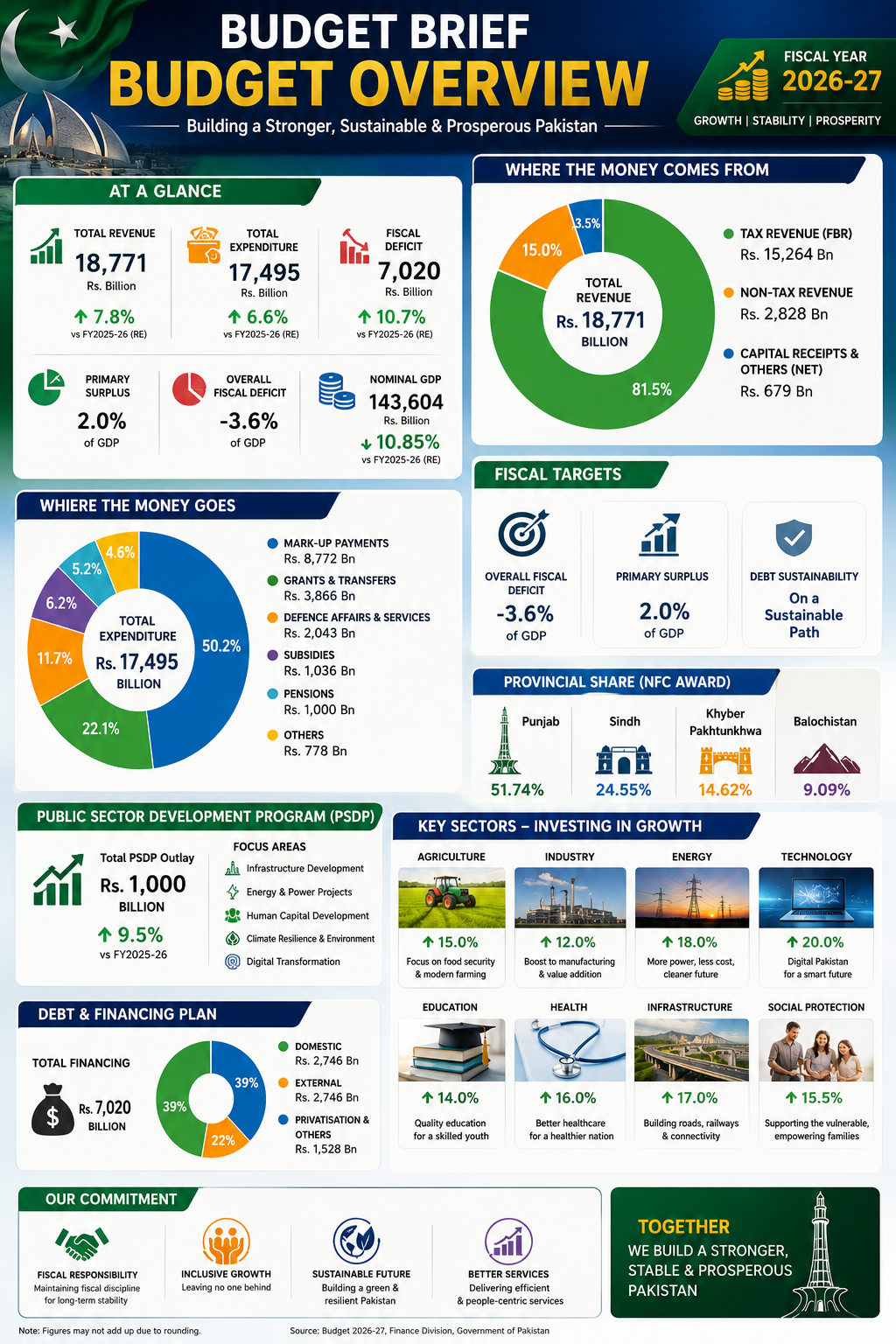
Overview
This article raises awareness about staying legally compliant in Pakistan and explains the consequences of failing to file statutory taxes and comply with statutory requirements.
Why legal compliance matters
Legal compliance helps businesses operate legitimately, access finance, protect reputation, avoid penalties, and ensure long-term operational continuity. Non-compliance can lead to financial, legal, and operational risks that threaten business viability.
Key statutory areas in Pakistan
- Income tax filings with the Federal Board of Revenue (FBR) and registration for NTN (National Tax Number)
- Sales tax / VAT and withholding tax compliance where applicable
- Corporate and company law filings with the Securities and Exchange Commission of Pakistan (SECP) and annual returns
- Employer obligations under labor laws, including contributions to EOBI and social security, where required
- Accounting records, audits, and record-keeping requirements
- Record retention periods and deadlines for filings and payments
Consequences of non-compliance
Non-compliance can trigger penalties such as fines, interest, default surcharges, audits, and potential criminal prosecution for tax evasion in severe cases. It can also lead to reputational damage, disruption of banking and business operations, and restrictions on government contracts or licensing in some situations.
Best practices to stay compliant
- Register for applicable taxes and obtain the NTN and any other required registrations
- Maintain accurate books and records and prepare timely financial statements
- File returns on time and make payments as due dates require
- Engage tax professionals or auditors for periodic reviews
- Keep up-to-date with changes in tax laws and compliance requirements
- Maintain documentation to support deductions, credits, and compliance
FAQs
Frequently Asked Questions
- Q1: What are the main statutory taxes I must file in Pakistan?
A1: The main taxes typically include income tax returns with the FBR, applicable sales tax/VAT filings, withholding taxes, and any sector-specific tax filings. Ensure NTN registration and filing as required.
- Q2: What happens if I miss a tax filing deadline?
A2: Missing deadlines can trigger penalties, interest, and default surcharges. Repeated defaults may lead to audits or enforcement actions by tax authorities.
- Q3: Do small businesses receive any relief for compliance?
A3: Depending on the regime and exemptions, small businesses may benefit from simplified filings, presumptive tax schemes, or incentives. Consult a tax professional to identify applicable reliefs.
- Q4: How can I verify my tax registration and compliance status?
A4: Verify NTN status, tax registrations, and filing history through the FBR online portals or via your tax advisor. Maintain up-to-date e-filing and payment records.
- Q5: What steps can I take to improve ongoing compliance?
A5: Implement robust accounting, designate a compliance owner, set reminders for filings, maintain proper documentation, and periodically review tax laws with a professional.
- Q6: Where can I seek help if I have questions about compliance?
A6: Contact licensed accountants or tax consultants, consult the FBR and SECP for official guidance, and refer to updated official resources for the latest rules.