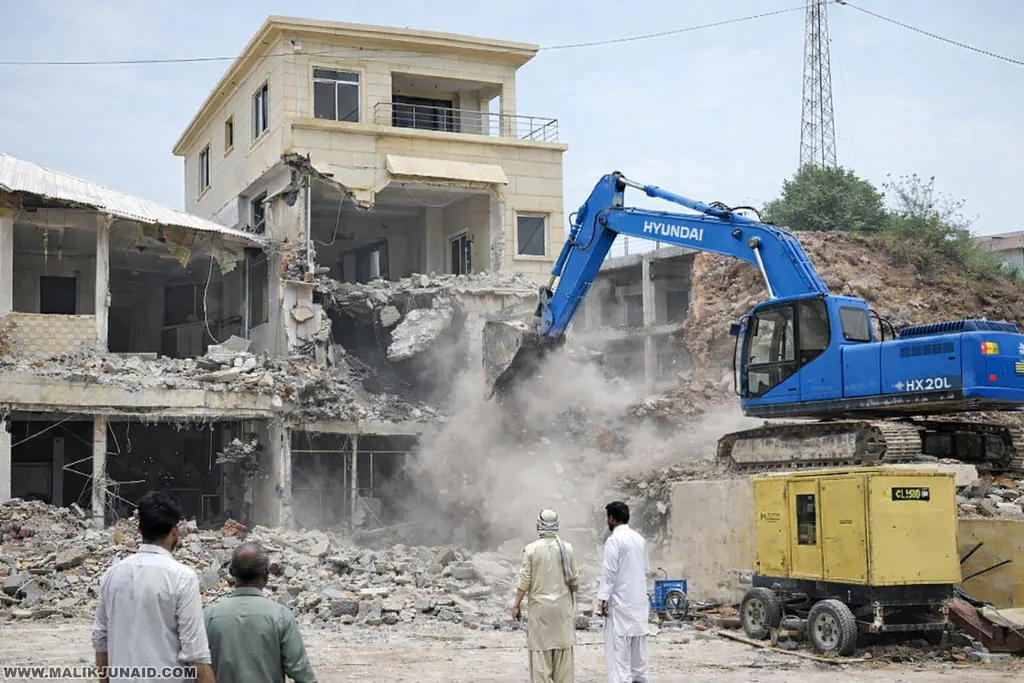
Pakistan has enacted several key environmental laws to protect its natural resources and promote a cleaner environment. 1. **The Environmental Protection Act 1997** – This is the cornerstone legislation that establishes the Environmental Protection Agency, empowers it to regulate pollution, and sets penalties for violations.
2. **The Water (Regulation & Protection) Act 2014** – Aims to safeguard water bodies by restricting industrial discharges and strengthening sewage treatment.
3. **The Solid Waste Management Rules 2012** – Provides a framework for waste segregation, recycling, and safe disposal of hazardous waste.
4. **The Air Quality Management Act** – Focuses on monitoring air pollution levels in major cities and enforcing limits on vehicular and industrial emissions.
**Practical Steps to Keep Pakistan Environmentally Clean** -
**Reduce, Reuse, Recycle**: Adopt home composting for food waste and separate recyclables. - **Green Transportation**: Use public transport, carpooling, or electric vehicles where possible. - **Tree Planting**: Participate in tree-planting drives; trees absorb CO₂ and improve air quality. - **Support Local Markets**: Buy locally produced goods to reduce transportation-related emissions. - **Community Clean‑Up**: Organize neighborhood clean‑up events to remove litter from streets and parks. By following these laws and everyday practices, Pakistan can move towards a healthier and more sustainable future. Let’s all contribute to a cleaner environment for generations to come.
Trending

Income Tax in Pakistan: Key Informa...
Jan 01, 2026
Family Registration Certificate (FR...
Jan 05, 2026