Phone scams have become a pervasive threat, with fraudsters using advanced tactics to target unsuspecting victims. The most common types include the International‑Call Scam, the Nigerian SMS Scam, and the 3G Scam, all of which promise financial gains or reveal personal data in exchange for your cooperation.
Key Indicators of a Scam:
- Unsolicited calls claiming to be from a bank, law enforcement, or a close relative.
- Requests for personal details such as bank PINs, passwords, or social‑security numbers.
- Pressure to act quickly or a sense of urgency to resolve a “problem.”
- Offers that sound too good to be true, e.g., a large prize or an investment opportunity.
To protect yourself, never provide personal information over the phone unless you have confirmed the caller’s identity through a trusted channel. Verify the number using official websites or app-based contact details. If you receive a suspicious call, hang up immediately and report the number to the authorities or your telecom provider.
Other safety measures include:
- Using call‑blocking features on your phone.
- Installing reputable security apps that detect scam numbers.
- Educating family members, especially older adults, about common scam tactics.
Remember, legitimate agencies will not ask for sensitive information over the phone without prior confirmation. Stay alert, verify, and protect your personal data.
Scammers will go to great lengths to convince you that a fortune awaits if you follow their instructions.
You may be introduced to a second or even third scammer – posing as a banker, TV channel representative or government official – to 'help facilitate the legal and financial aspects of the transaction’.
Some of the common scams include:
a) Attempts to gain your personal information
Scammers use all kinds of approaches to steal personal details. Once obtained, they can use the stolen identity to commit fraudulent activities.
b) Impersonating Banks/Organizations
Scammers impersonate genuine organizations such as banks/Benazir Income Support Programme (BISP)/ Ehsas Programme etc. A common fraud technique is that your “ATM has been blocked” and that you should call a number (listed in the message) to get your ATM unblocked.
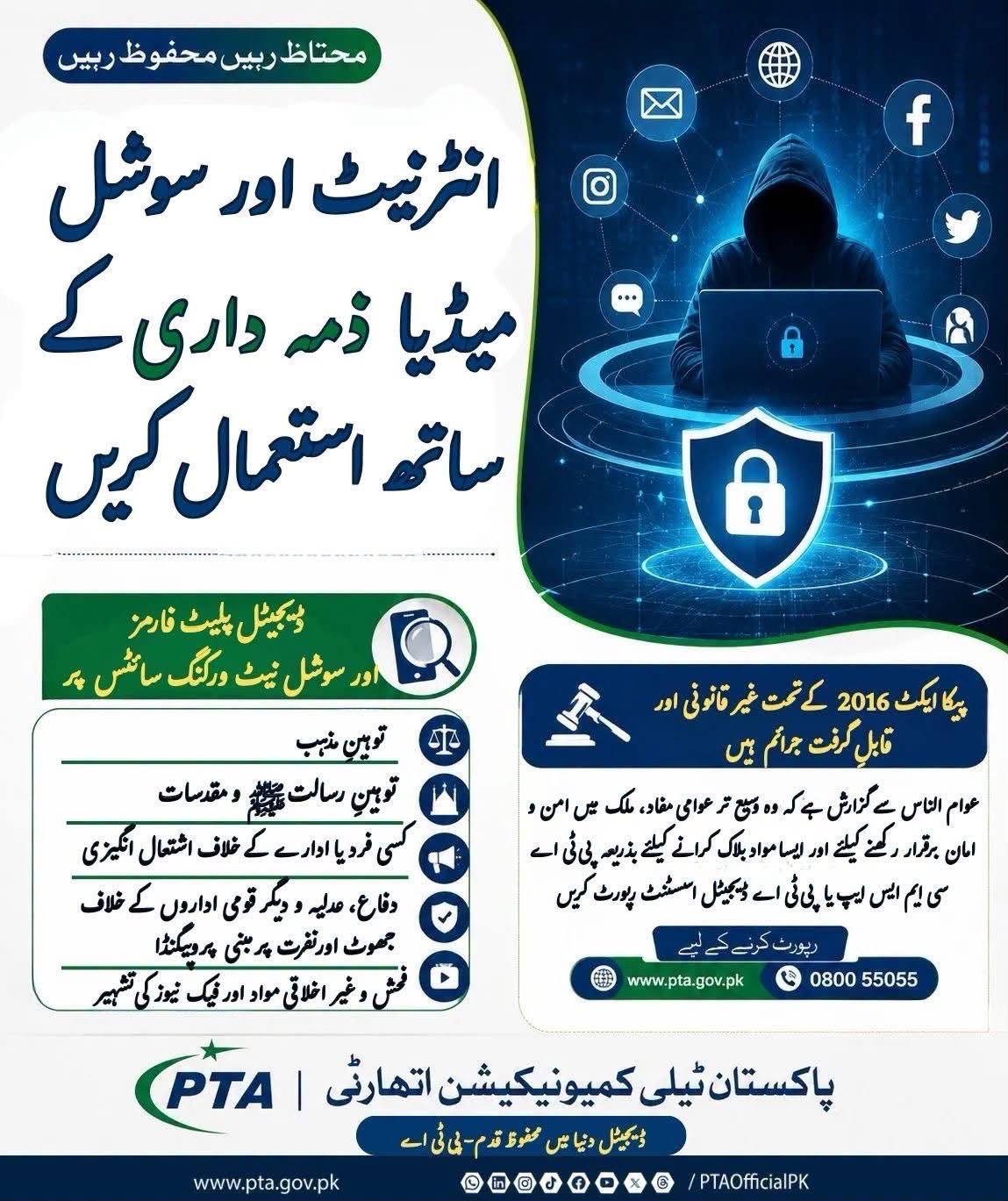
Another technique used by scammers is to pretend to be representatives of PTA and ask for money in guise of registration of mobile device.
c) Threats & extortion
Scammers try to steal identity or money – including threatening the life of the person they are calling. Popular technique used by scammers impersonating Pakistan Army.
d) Cash Transfer/”Sending a code”
Scammers invent convincing and seemingly legitimate reasons to lull the receiver of message or caller into a false sense of security. For example: a popular technique is to send the receiver a message about transferring money into their Easy Paisa or other e-payment account by mistake and to send a certain “code” or “message” back to them.
e) Prize/Lottery Scams
Scammers trick you into giving money or your personal information in order to receive a prize from a lottery or competition that you may have never entered. Such scammers usually impersonate popular TV game show programmes.